Freedom Coin
ID
KasNusantara AI: ulasan, cara kerja, dan risiko
KasNusantara AI: ulasan dan panduan untuk Indonesia, mencakup cara kerja, biaya, risiko, Arief Setiawan, pengalaman mitra, dan tautan ke situs resmi.
We identify the operator, test the automation claim, trace the trading and payment paths, and document the regulatory, technical and behavioural risks.
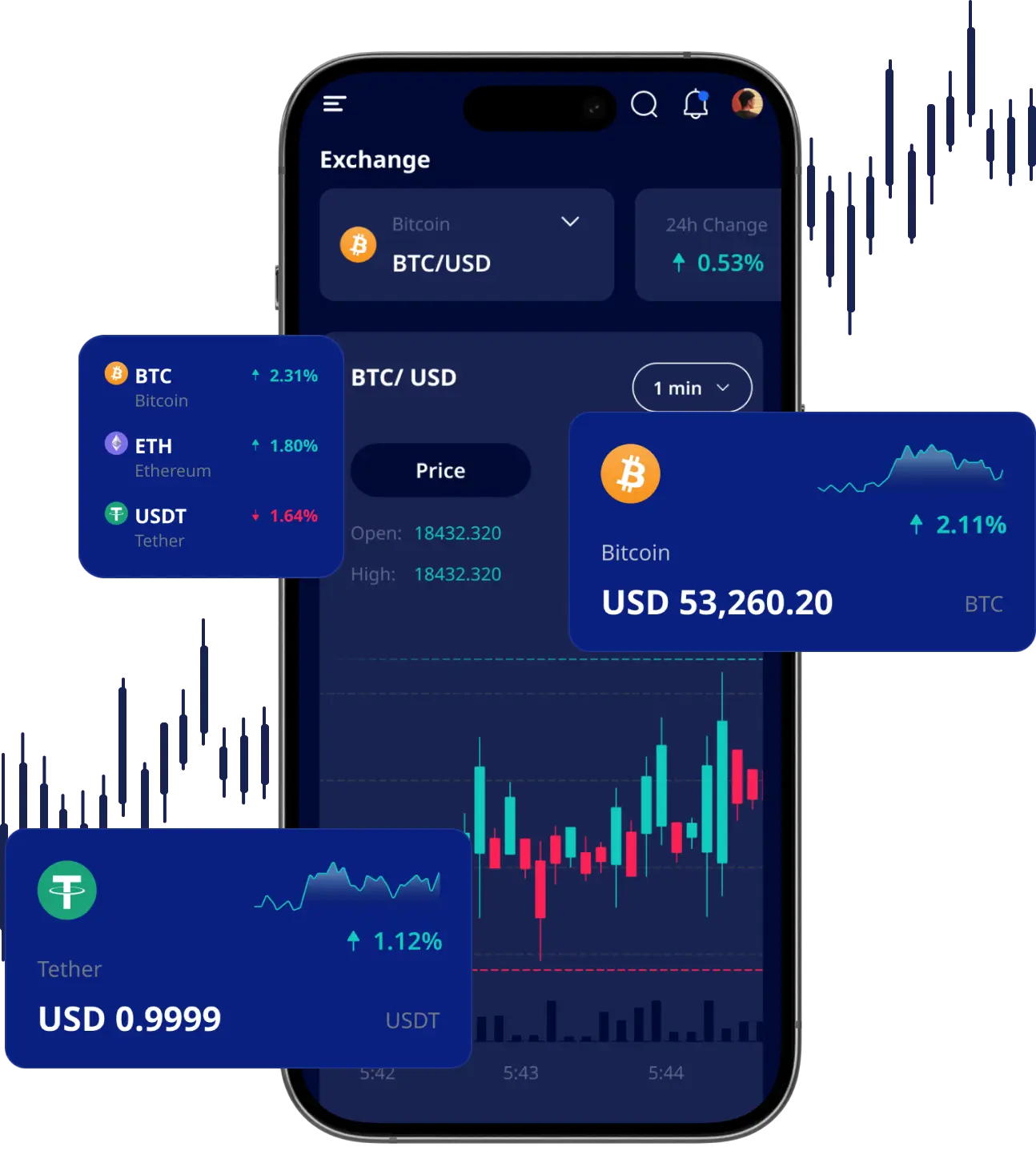
Each offer is examined as an operator, a technical product, a money flow and a user journey.
The brand, legal operator, official domains, contact points and commercial destination are resolved as separate facts.
The claimed AI role is compared with the observable workflow, broker connection, order path and available user controls.
Deposits, minimums, fees, withdrawals, custody and account restrictions are traced to the party that actually controls them.
Authorisation claims, warnings, data exposure, sales pressure and behavioural design are checked in the target market.
We follow every prompt beyond the screen: which company controls the account, which permissions the product requests, where an order is sent and who receives the deposit.
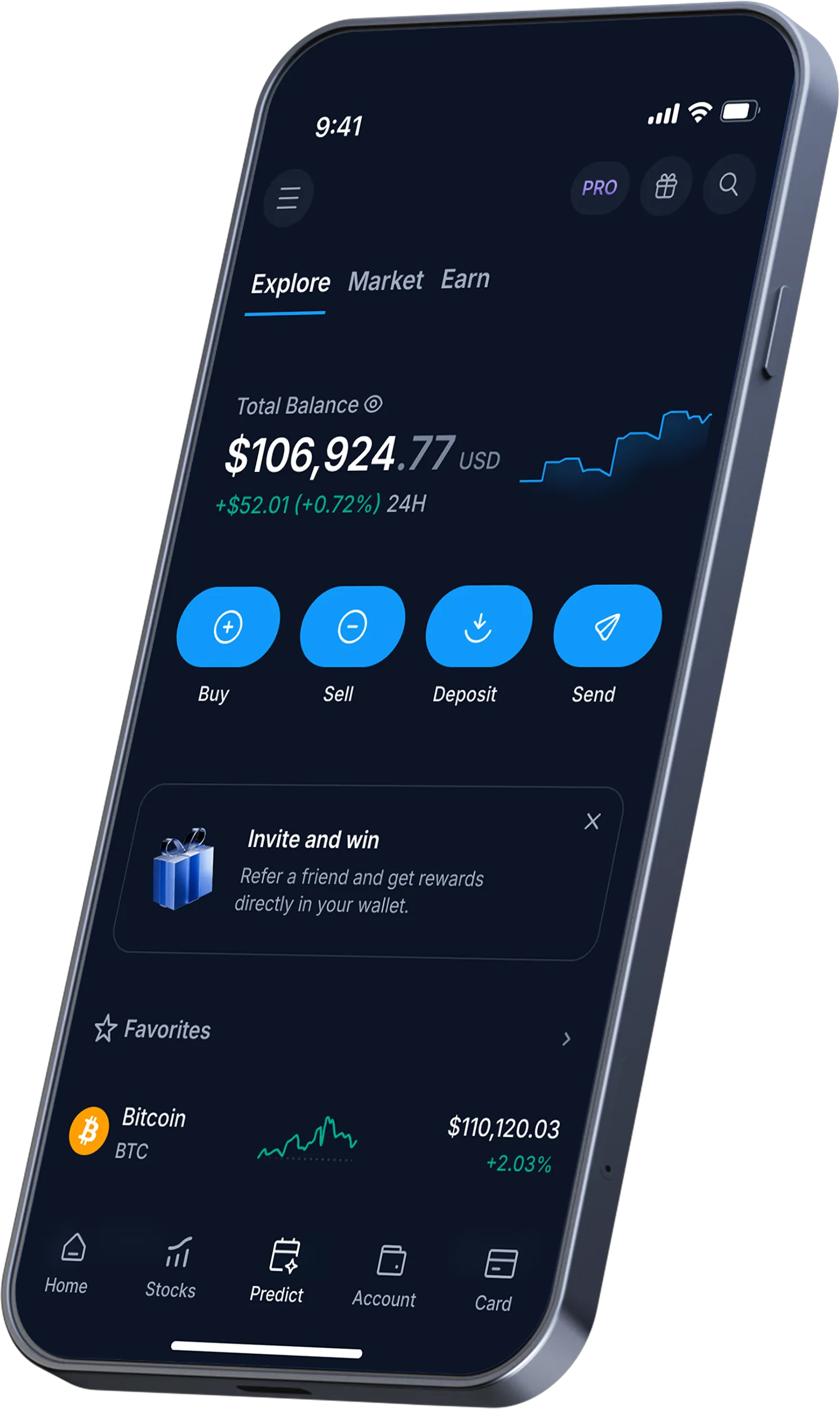
Freedom Coin translates promotional language into facts that can be checked against product documents, controls and testing evidence.
Open the complete brand-analysis frameworkEach brand file ties its verdict to a named author, dated sources and explicit limitations.
ID
KasNusantara AI: ulasan dan panduan untuk Indonesia, mencakup cara kerja, biaya, risiko, Arief Setiawan, pengalaman mitra, dan tautan ke situs resmi.
CZ · CS
Tržní kompas AI: recenze a průvodce pro Česko. Přístup k obchodování, vklad, rizika, Pavel Mareš, kontakty v Praze a odkaz na oficiální web.
CA · EN
Laurentis AI review and AI-trading guide for Canada: USD deposits, withdrawal limits, Ottawa contacts and a link to the official website.
We test the missing steps between a model output and the price a user can actually receive.
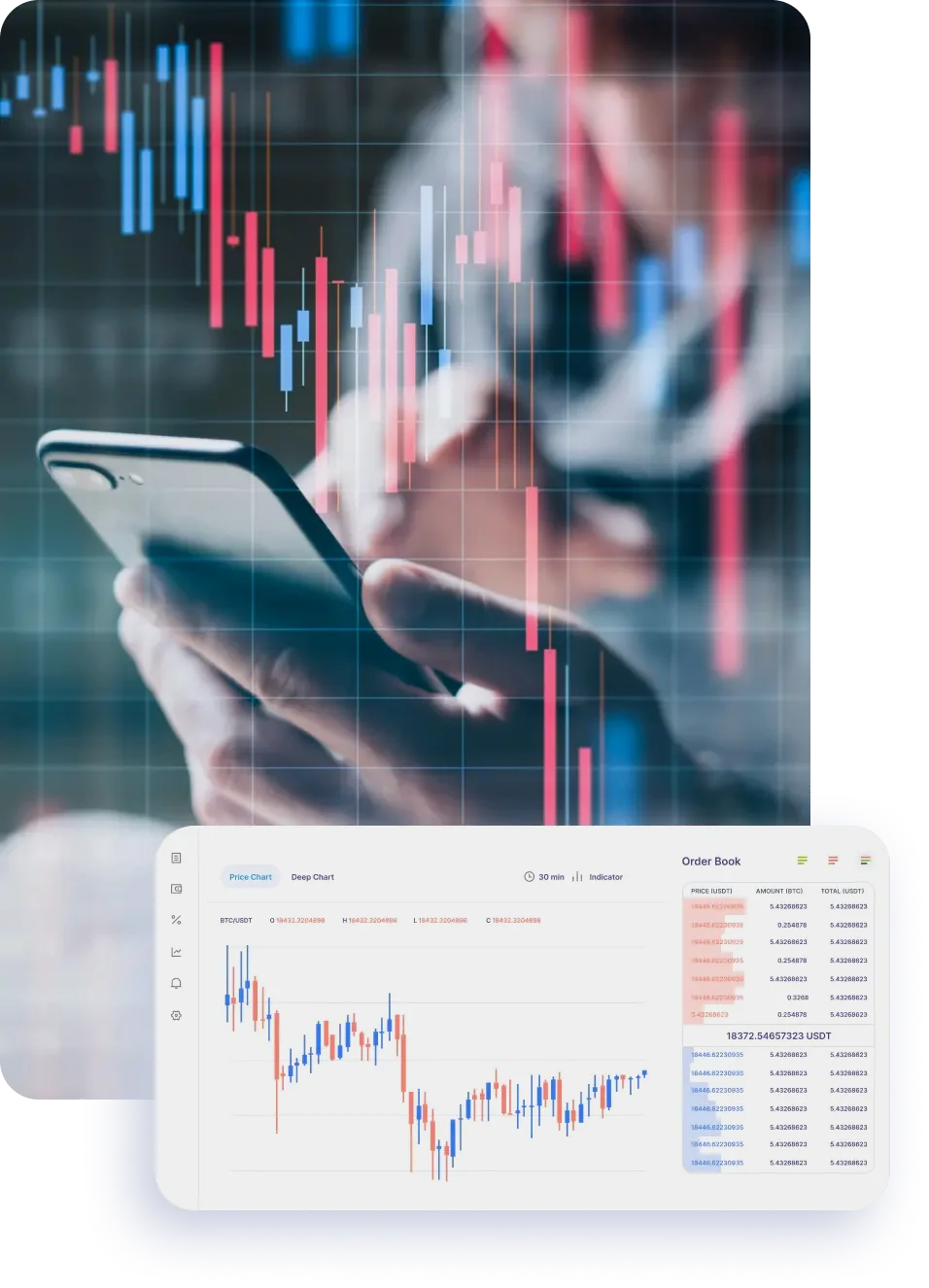
Technology, operator security, market economics and behavioural design are assigned to visible authors with direct correction channels.
Independent Technology Researcher and AI-Trading Critic
Julian tests whether an AI-trading brand has a credible automation model, execution path and technical architecture behind its marketing claims.
Operator and Cybersecurity Investigations Editor
Chloe resolves the operators, domains, data flows and fraud surfaces behind AI-trading brands, with particular attention to social engineering.
Markets and Counterparty Risk Analyst
Arthur tests whether an AI-trading offer makes economic sense once liquidity, fees, counterparties, rates and cross-border payment constraints are included.
Clinical Psychologist and AI-Trading Behaviour Analyst
Leon examines how AI-trading interfaces, sales journeys and performance feedback use urgency, reward loops and cognitive bias to shape decisions.
Profit counters, urgency, alerts and reward loops can amplify FOMO, loss-chasing and overconfidence. We treat those decisions as part of the brand analysis.
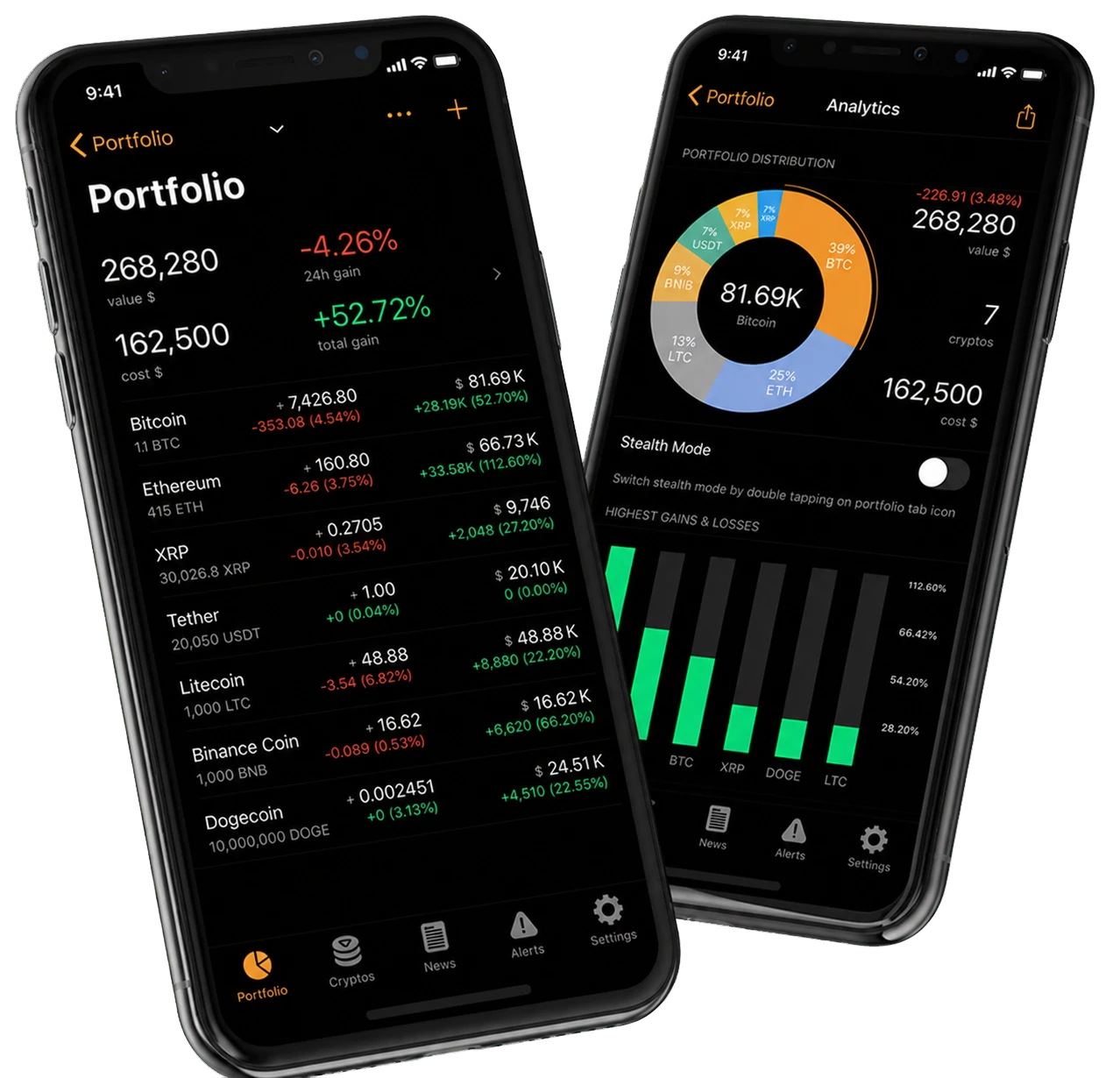
Every verdict records the operator, the source, the date and the unresolved limits of the AI-trading claim.
Read the full analysis method